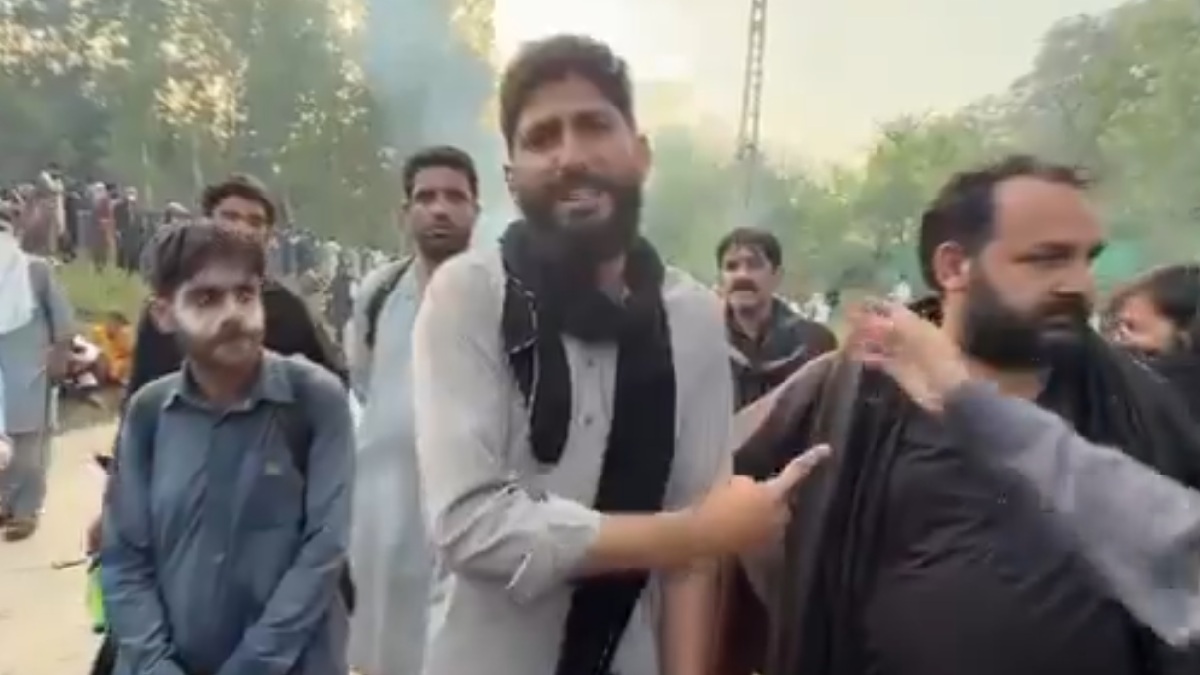
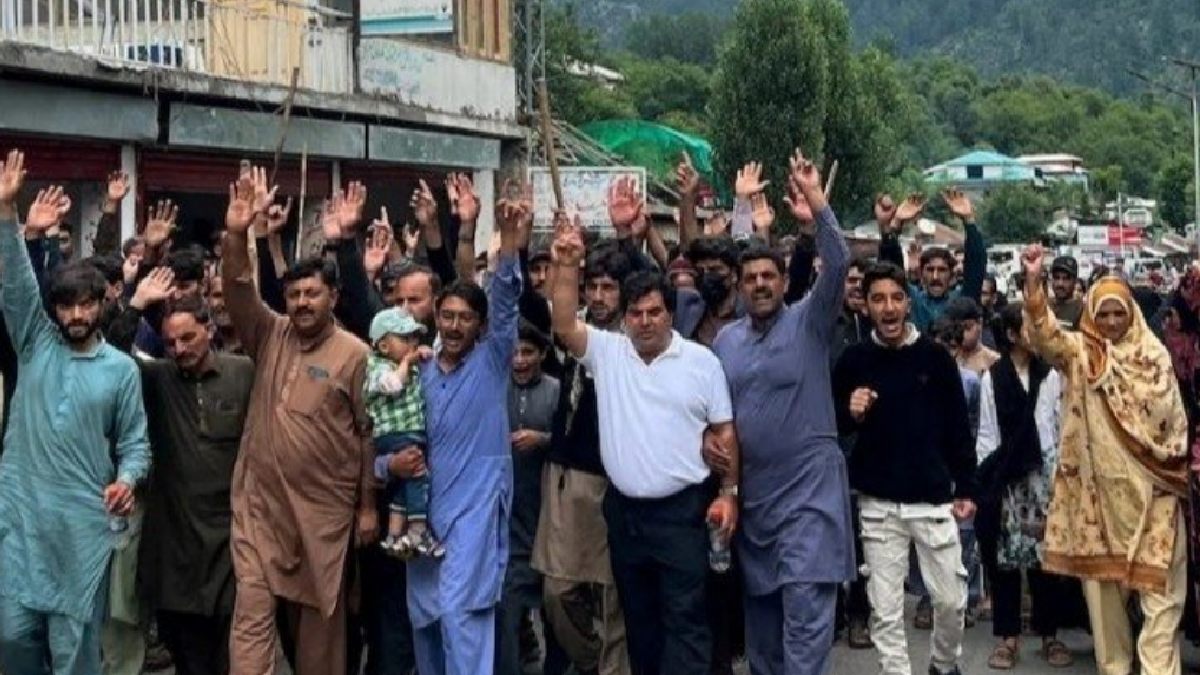
Cases of violence at the protests in Rawalakot are a matter of serious and unverified allegations, and sources say that Pakistan’s military invaded peaceful demonstrations using armed operatives and increased tensions.
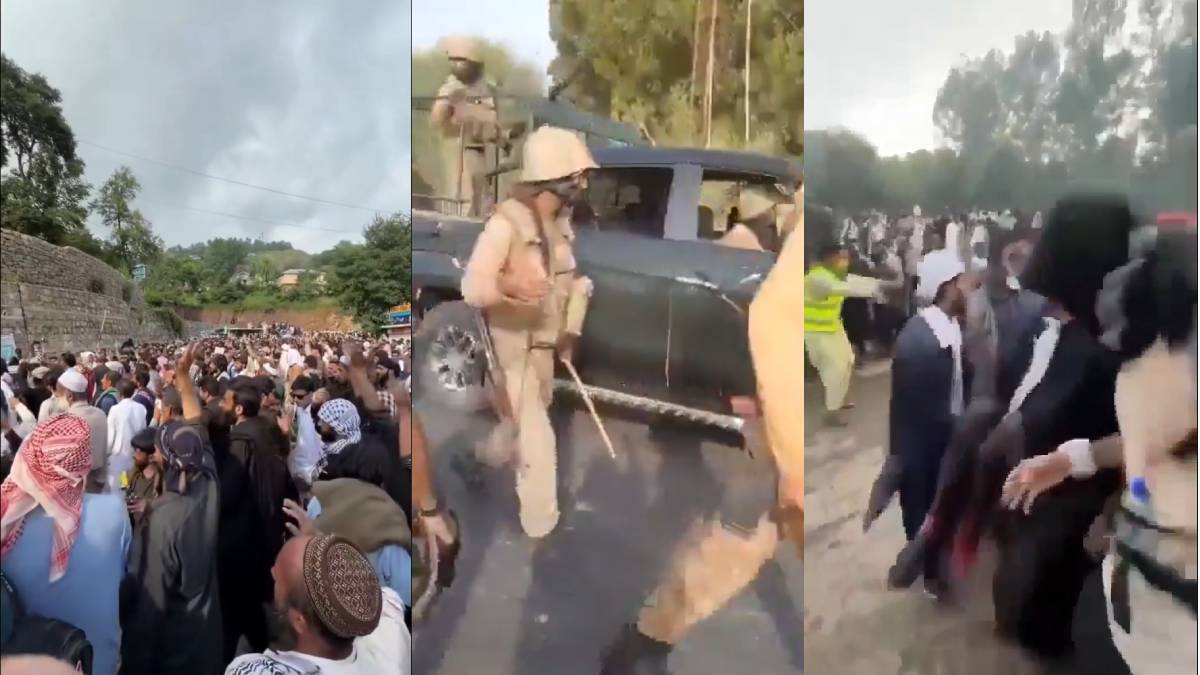
The sources also said that some victims were buried forcibly and that internet services had been suspended in areas of Pakistan-occupied Kashmir (PoK), making it difficult to get information from affected areas.
The claims could not be independently verified at the time of publication. No publicly available evidence has been provided for the involvement of military personnel or armed personnel in the protests, and no evidence is available to support the claims. Details about the alleged victims, the alleged burials and the extent of internet restriction are also not known.
The demonstrations in Rawalakot started out as peaceful protests of public grievances, said sources. But as armed men came in or influenced the gatherings, the situation turned violent.
Armed operatives took over the demonstrations, and they had to be involved in the clashes and violence, they said. The allegations raised questions about the risk that peaceful protesters may have been exposed to additional risks as a result of the reported infiltration.
If independently established, the claims would raise serious questions about how the government would deal with public demonstrations and the protection of civilians in a period of unrest.
The allegations of forced burials are even more concerning. Some victims were buried without families or local communities having a chance to know what happened, or the circumstances of their death, the newspapers reported.
However, the identities of the alleged victims, the locations of the reported burials and the circumstances under which they were carried out have not been independently confirmed.
Human rights advocates have frequently stressed that families have the right to receive information about missing or deceased relatives and that deaths during unrest must be documented through transparent and lawful procedures.
The reports also claimed that internet services had been suspended in parts of Pakistan-occupied Kashmir. There is a high degree of communication affected by internet restrictions when there is unrest, as it limits the reach of the population to relatives and journalists and independent observers to verify what is happening.
The alleged suspension of internet services may also make it difficult to assess the scale of the violence and independently verify videos, photographs and eyewitness accounts circulating on social media.
Authorities sometimes place temporary communication restrictions on communications in times of unrest, and they put up barriers on communication as a way of keeping the people’s communication during times of unrest, often in the name of public safety and security. But critics say such measures can also limit transparency and give rise to misinformation and unverified claims that spread in such a way that misinformation and unverified claims are more easily spread and gain the attention of people.
The situation in Rawalakot is still unclear, with competing accounts and very little independently verified information. The allegations of armed infiltration, forced burials and internet restrictions need to be thoroughly assessed and verified based on credible evidence.
If the protests were infiltrated, how the violence started, and those responsible for any unlawful actions were identified, an independent and transparent investigation could help to establish that.
Such an inquiry would also need to address civilian casualties and the treatment of victims. Should forced burials be proven, authorities would need to give information about the identities of those involved and the legal procedures.
The reported unrest has brought into the spotlight the greater questions of political rights, public protests and access to information in Pakistan-occupied Kashmir.
Peaceful protest is a powerful means by which people express grievances and demand accountability. At the same time, authorities must maintain public order while protecting civilians and respecting citizens’ rights.
The allegations must not be taken as facts without independent verification. A credible investigation involving evidence, witness testimony, official records, and unbiased oversight would be required to make sense of what occurred.
For now, the reports are serious but unverified. The claims indicate that transparent fact-finding needs to happen, protection of civilians needs to be taken into account, and that one should have the ability to get reliable information.
Some more details may emerge from Rawalakot and other parts of Pakistan-occupied Kashmir. Until then, armed infiltration claims, the treatment of the victims, and the alleged internet suspension are not verified.